By Seth Renshaw
November 19, 2026
Recognizing the severity of extreme weather is essential for keeping families safe in storm-prone regions. A tornado shelter provides unparalleled protection against the devastating high winds and airborne debris that accompany severe storm systems. The primary purpose of this comprehensive guide is to help you navigate the fundamental steps of planning and installing a protective unit. By carefully considering location, design parameters, and financial investment, homeowners can make highly informed choices. Exploring these details helps uncover the long-term benefits of installing reliable safety structures, smoothly transitioning into how you can effectively prepare for natural disasters.
Understanding Severe Weather Risks in Your Area
Storms strike with varying frequency depending on your specific geographic location and climate conditions. Certain regions across the United States face an incredibly high number of volatile weather events every year. Knowing these regional risks is necessary when evaluating whether you need immediate structural protection for your residence. The destructive power of high winds on residential neighborhoods can be absolutely devastating to witness. Violent storms possess the capability to flatten entire communities, leading to massive property loss and tragic outcomes. Investing in a tornado shelter delivers life-saving security, especially in vulnerable communities frequently threatened by extreme atmospheric conditions.
Reducing Injuries With Effective Protective Solutions
Statistical evidence continuously proves the extreme dangers associated with volatile weather patterns and atmospheric shifts. Data covering fatalities and injuries emphasizes the absolute necessity of maintaining dependable protective environments. The integration of safe rooms into community planning drastically lowers casualty rates, proving essential for vulnerable populations. By acting on these statistical insights, our goal is to help communities mitigate the devastating impacts of natural disasters. We remain totally dedicated to lowering these numbers by providing reliable protective solutions that actively safeguard neighborhoods during the most intense weather events imaginable.
Determining the Ideal Location for Safety
Finding the perfect location for your safety installation dictates its overall operational effectiveness during a crisis. There are multiple interior and exterior configurations to consider, and each presents unique logistical advantages. Interior zones like basements provide excellent natural shielding against violent winds and flying objects. However, integrating heavy-duty protection underground requires strict attention to water resistance and maintaining structural integrity. Conversely, exterior placements might be more practical for residences lacking basements, though they require incredibly robust reinforcement. Evaluating these choices carefully guarantees your tornado shelter performs flawlessly during an actual crisis.
Utilizing Garage Placements for Accessibility
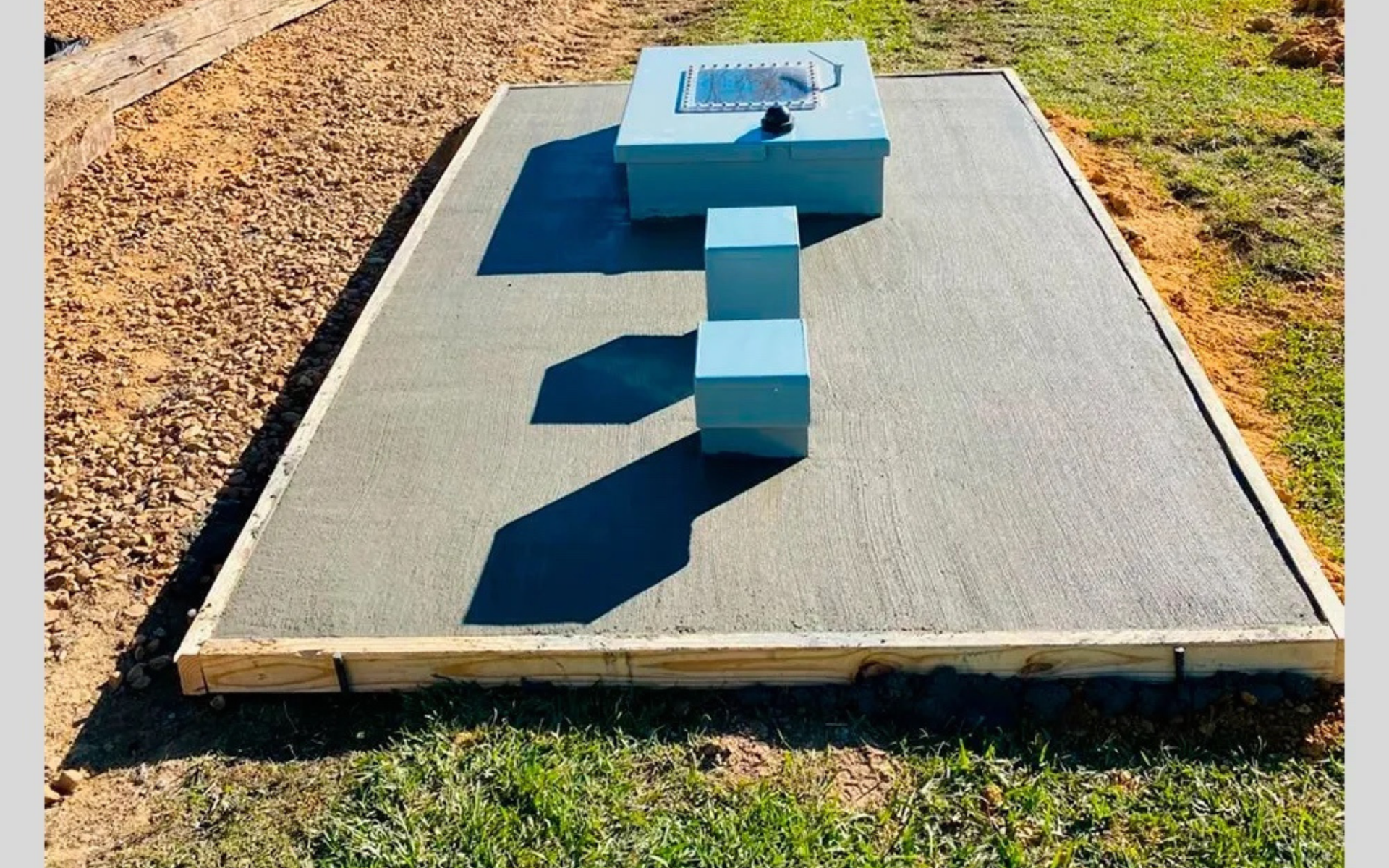
Opting for garage storm shelters provides incredible convenience but requires distinct structural adjustments to meet safety protocols. Above-ground safe rooms present a highly flexible alternative that strictly adheres to rigorous federal safety guidelines. Proper air circulation is critically important for these units to function correctly. According to Storm Shelter Authority, proper ventilation is critical for your safety; therefore, a minimum of 25% of the necessary venting area must be positioned close to the floor – meaning it should rest within 46 inches of the ground or within the lower half of the structure, whichever measurement is smaller. The ultimate decision between standalone units or a garage floor flush mount shelter depends heavily on your lifestyle.
Designing a Space With Sufficient Capacity
During the initial planning phases, evaluating capacity and your physical footprint is incredibly essential. Your structure must be expansive enough to comfortably hold every family member during an extended weather event. It is always smart to plan for extra space to accommodate unexpected guests or bulky emergency supplies. Balancing adequate interior volume with your available land footprint prevents claustrophobia during high-stress situations. This careful sizing process ensures that every tornado shelter remains a calm and highly secure environment.
Incorporating Durable Materials for Maximum Protection
Procuring premium materials directly dictates the longevity and impact resistance of your completed installation. Heavy-duty elements like reinforced steel and thick concrete are standard because they effortlessly deflect high-velocity debris. Utilizing modern engineering advancements further elevates the overall defensive capabilities of these vital structures. During the design phase, establishing excellent air quality systems is mandatory for long-term survival scenarios. Effective ventilation prevents air staleness and supplies continuous oxygen to all occupants safely inside.
Customizing Entrances to Be Fully Accessible
Creating intuitive entry points is another major factor when conceptualizing your overall architectural design. Guaranteeing that doors easily accommodate individuals with physical limitations ensures universal access for absolutely everyone in the household. A thoughtfully positioned doorway drastically speeds up entry times when mere seconds matter most. Many homeowners now customize their spaces for dual purposes, utilizing them as secure storage areas when skies are completely clear. Such incredible versatility ensures your premium welded safe room seamlessly fits right into your daily routine.
Budgeting Costs for Your Home Installation
Calculating the total investment requires a detailed look at various expenses that pop up during construction. The precise price of raw materials, hourly labor, and intricate architectural designs all play a significant part in the final bill. Thorough market research helps identify practical options that are highly effective yet financially accessible. Homeowners should investigate local grants that financially support residential preparedness initiatives. Various community organizations frequently offer assistance to help offset the high cost of new construction storm shelters.
Navigating Insurance and Enhancing Property Value
Discussing insurance policies is a crucial step when comprehensively planning your overall household budget. Property owners must consult their insurance agents to explore coverage plans for any newly built protective structures. Proper coverage not only guards against storm damage expenses but also keeps you compliant with stringent municipal regulations. A meticulously built safety structure consistently delivers a measurable return on investment by boosting your property value. Adding a tornado shelter highlights your commitment to modern residential safety while simultaneously making your property desirable to future buyers.
Hiring Qualified Contractors to Build Safely
Managing the critical construction phase requires a methodical approach to firmly guarantee flawless execution. Hiring experienced professionals is the only way to achieve superior workmanship without cutting corners. Homeowners need to verify credentials, ask for multiple references, and physically inspect past builds before signing legally binding agreements. Because a tornado shelter is a major household addition, partnering with seasoned builders is completely non-negotiable. A clearly defined project schedule is equally important to prevent frustrating delays and keep everything on track.
Managing Timelines to Avoid Project Delays
Creating a realistic building timeline requires factoring in material deliveries and pending local permit approvals. Strategic project management drastically reduces the likelihood of massive budget overruns and keeps the job moving forward. Maintaining strict quality control is absolutely mandatory, as specific regulations dictate exactly how these units must be assembled. Routine site inspections catch potential structural issues early, preventing major headaches down the road. Securing all mandatory permits ensures the build is entirely legal, heavily fortified, and structurally sound.
Inspecting Structures to Ensure Long-Term Safety
Consistent upkeep and highly detailed inspections are vital for keeping your underground storm shelters operational. Your regular maintenance checklist must include testing door seals, verifying lock functionality, and confirming that all air vents remain totally unblocked. While you can perform basic checks yourself, hiring professionals for comprehensive annual audits is highly recommended. Routine care not only maximizes the lifespan of your unit but also guarantees it is ready at a moment's notice. Documenting these inspections keeps you organized for future appraisals.
Practicing Emergency Drills With Your Family
Running practical safety drills is a fundamental cornerstone of effective household emergency preparedness. Walking through the actual steps helps everyone memorize the standard procedure and drastically cuts down on panic during chaotic events. These mock emergencies verify that every person can operate the heavy storm shelter doors quickly. Stocking your tornado shelter with survival necessities is also strictly required for instances where you are trapped for hours. Drinking water, non-perishable food, first aid kits, and battery-powered radios need to be neatly organized and exceptionally easy to grab.
Designing and installing a robust defense system is a deeply proactive approach to securing your family's future. A tornado shelter delivers unmatched protection against catastrophic winds, actively shielding both your loved ones and your valuable real estate. By following these extensive planning strategies, you greatly improve your household's overall resilience against unpredictable weather. Whether you are driven by a desire for absolute safety or an active interest in boosting your home's equity, these installations are a necessity. To take the next step in safeguarding your home, reach out to F5 Storm Shelters & Liberty Safe of Nixa today.